Types of Wedding Portraits: Which Style Suits You?
Types of Wedding Portraits: Which Style Suits You?
When you decide to commission a live wedding painting, one of the most exciting decisions is choosing what type of portrait you want. The word “portrait” in this context extends far beyond a traditional head-and-shoulders painting. Wedding portraits encompass a wide spectrum of compositions, from intimate close-ups of the couple to sweeping panoramic views of the entire celebration.
Each type of wedding portrait captures a different dimension of your day, and the right choice depends on what matters most to you — the intimacy of a shared moment, the grandeur of your venue, or the joy of everyone gathered together. The artistic style you choose also plays a major role, so you may want to explore our wedding painting styles guide alongside this one.
In this guide, we explore the most popular types of wedding portraits to help you decide which style suits your celebration.
The Couple Portrait
What It Is
A couple portrait focuses exclusively on the bride and groom (or both partners), capturing them in a moment of connection. This might be during the exchange of vows, a quiet moment between events, a tender embrace, or the iconic first dance.
Why Choose It
A couple portrait is the most intimate type of wedding painting. It distills the entire day into a single image of the two people at its center. The background is typically suggested rather than detailed, drawing the viewer’s eye to the expressions, body language, and emotional connection between the couple.
Best For
Couples who want a deeply personal piece of art that centers on their relationship. It works beautifully in any room of the home and does not require a large canvas to make a powerful impact.
How It Works at the Wedding
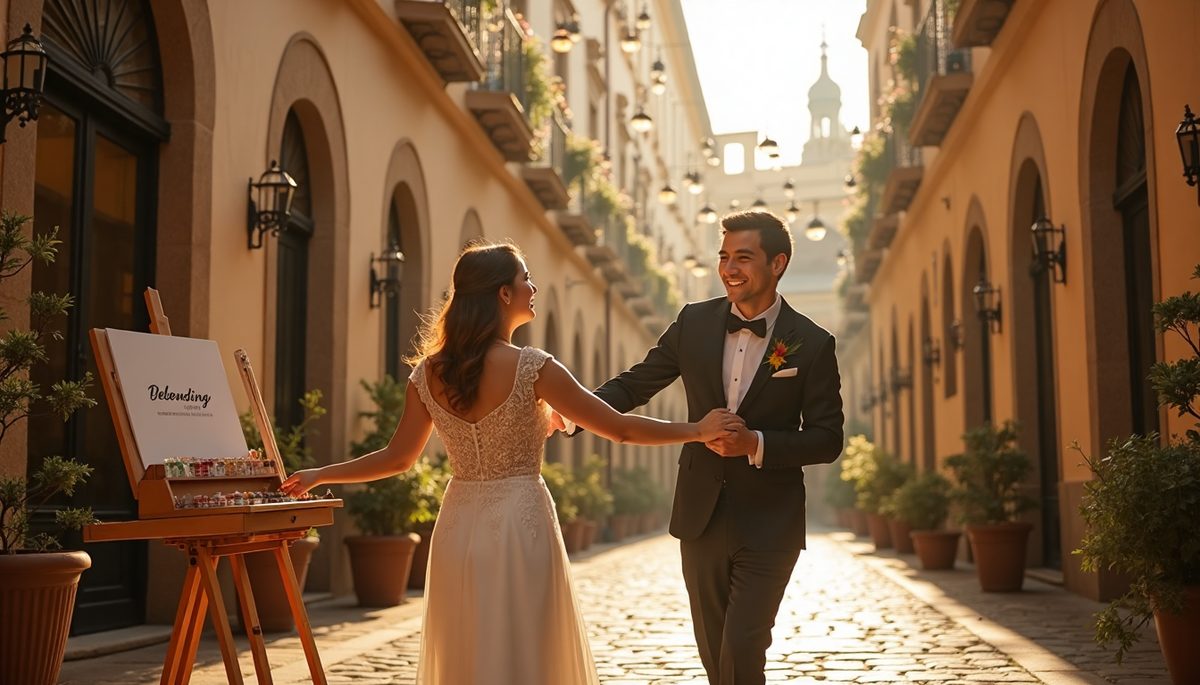
The artist may observe the couple during the ceremony or at a specific moment, sketching their poses and expressions. For a first dance portrait, the painter captures the couple’s movement and the atmosphere of the dance floor. Additional details and refinements are completed in the studio after the event.
At Wedding Vivid Art, Marta finds that couple portraits painted during the first dance are among her most requested and most emotionally powerful works. The combination of movement, music, and emotion translates into paintings that couples treasure for a lifetime — a beautiful way of preserving wedding memories in art that only grows more meaningful over the years.
The Ceremony Scene
What It Is
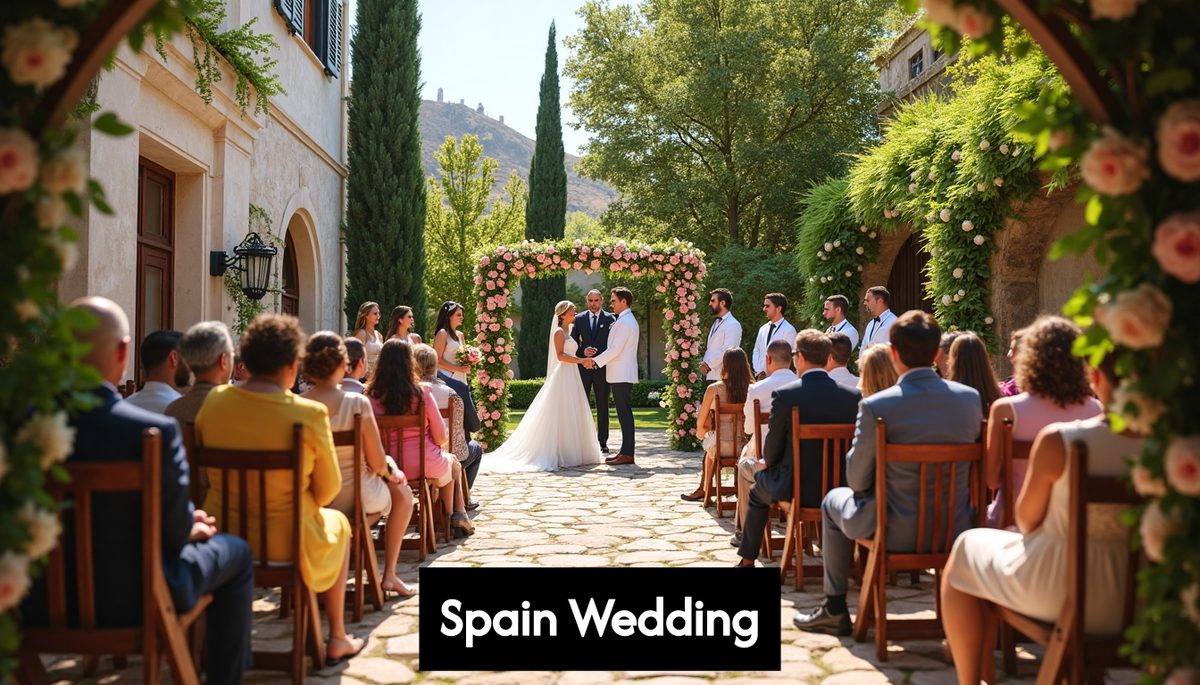
A ceremony scene captures the full breadth of the wedding ceremony — the couple at the altar or under the chuppah, the officiant, the wedding party, the seated guests, and the surrounding setting. It is a narrative painting that tells the story of the moment when two lives become one.
Why Choose It
The ceremony is often the most meaningful moment of the entire day, and a painting that captures it in its entirety preserves not just the couple but the entire community of people who gathered to witness and celebrate their union.
Best For
Couples who want a comprehensive record of their ceremony, including the venue, the attendants, and the guests. Ceremony paintings tend to be larger in scale to accommodate the breadth of the scene.
Composition Considerations
The artist typically positions themselves at a three-quarter angle to the couple, which allows for a dynamic composition that shows the couple in context. The painting might include details like the floral arrangements, the architecture of the ceremony space, and the expressions of the wedding party.
In Spain, ceremony scenes benefit enormously from the country’s spectacular venues. Whether the setting is a sunlit terrace overlooking the Mediterranean in Marbella, a flower-draped courtyard in Seville, or an ancient stone chapel in the Catalan countryside near Barcelona, the venue itself becomes a character in the painting.
The Venue Painting
What It Is
A venue painting places the wedding location at the center of the composition. The focus is on the architecture, landscape, and atmosphere of the place, with the wedding celebration depicted within it. Think of it as a portrait of the venue on your wedding day.
Why Choose It
Many couples choose their venue because they fell in love with it, and a venue painting preserves that place in all its glory on the day it meant the most. The painting captures not just the building or landscape but the way it was transformed by flowers, lighting, and the presence of loved ones.
Best For
Couples who have a deep emotional connection to their venue. This type is particularly popular for destination weddings in Spain, where the venue is often a once-in-a-lifetime location that the couple may not visit again.
What It Includes
A venue painting might show the full exterior of a grand estate at golden hour, the interior of a beautifully decorated reception hall, a garden terrace set for dinner under the stars, or an aerial-perspective view of a coastal ceremony. People are present but secondary — they add life and scale to the scene without dominating it.
The Reception Panorama
What It Is
A reception panorama captures the full sweep of the celebration during dinner or the party. The composition includes the decorated tables, the floral arrangements, the guests in conversation, the band or DJ, and any other elements that define the atmosphere of the reception.
Why Choose It
The reception is where the party comes alive, and a panoramic painting captures the collective energy and joy of the celebration in a way that no single photograph can. It is a wide-angle view that immerses the viewer in the full experience of the event.
Best For
Couples who love the idea of capturing the entire atmosphere of their party. Reception panoramas are also popular with couples who have invested significantly in their reception decor and want to see it immortalized in art.
Artistic Approach
The painter typically sets up at the edge of the reception area, choosing a vantage point that offers the widest possible view. The painting builds gradually over several hours as the reception unfolds, allowing the artist to incorporate elements that appear over the course of the evening — from the arrangement of place settings to the moment guests begin dancing.
The First Dance
What It Is
A first dance painting captures the couple’s first dance as a married pair. The focus is on movement, emotion, and the interplay of light and shadow on the dance floor.
Why Choose It
The first dance is one of the most visually and emotionally striking moments of a wedding. It is a moment of public intimacy — the couple, surrounded by their loved ones, sharing a dance that is both a celebration and a private conversation. A painting of this moment carries extraordinary emotional weight.
Best For
Couples who consider their first dance a highlight of the day. It also works beautifully for couples who have chosen a meaningful song and want a visual representation of that musical moment.
Technical Considerations
The first dance presents unique challenges and opportunities for the painter. The couple is in motion, so the artist must capture gesture and movement quickly. The lighting is often dramatic — a spotlight or warm ambient glow — which creates beautiful contrasts of light and shadow. Many painters use a slightly looser, more impressionistic style for first dance paintings, allowing the brushwork itself to convey energy and motion.
The Group Scene
What It Is
A group scene includes a larger number of people in the composition — the full wedding party, family members, or even the entire guest list. It is the painted equivalent of a group photograph, but with the warmth and artistry that only a painting can provide.
Why Choose It
For couples who want their loved ones represented in the painting, a group scene is the natural choice. It captures not just the couple but the community of people who make their lives meaningful.
Best For
Couples with close-knit families or friend groups who want everyone included in the artwork. Group scenes work well for weddings where the guest list is small enough that individual figures can be recognizable in the painting.
Practical Notes
Group scenes require a larger canvas to accommodate the number of figures while maintaining sufficient detail. The artist may work from a combination of live observation and reference photographs to ensure that key individuals are accurately represented.
The Detail Painting
What It Is
Rather than capturing a broad scene, a detail painting focuses on a specific element of the wedding — the bridal bouquet on a table, the rings on a cushion, a close-up of the decorated arch, or the couple’s hands clasped together.
Why Choose It
Detail paintings are intimate, beautiful, and make wonderful complementary pieces. A couple might commission a main ceremony or reception painting alongside a smaller detail painting of their rings or bouquet.
Best For
Couples who appreciate artistry in the small things and want a more abstract or focused piece. Detail paintings are also excellent as thank-you gifts for parents or members of the wedding party.
Choosing the Right Type for You
The right choice depends on your personal priorities and the story you want your painting to tell. Here are some guiding questions:
- What moment felt most meaningful to you? If the ceremony was the emotional heart of the day, a ceremony scene makes sense. If the party was unforgettable, consider a reception panorama.
- How do you want to feel when you look at the painting? A couple portrait evokes intimacy and connection. A venue painting evokes a sense of place and occasion. A panorama evokes the collective joy of the celebration.
- Where will the painting hang? A large reception panorama makes a stunning statement in a living room, while a smaller couple portrait fits beautifully in a bedroom or private space.
- Who do you want included? If the painting is primarily about the two of you, a couple portrait or first dance painting is ideal. If family and friends are central to the story, a group scene or ceremony painting is the better choice.
During the consultation process, Marta at Wedding Vivid Art helps every couple work through these questions, drawing on her extensive experience painting weddings across Spain to recommend the type and composition that will best serve their vision.
Ready to explore which type of wedding portrait suits you? Contact Marta at Wedding Vivid Art to start the conversation.