The Ultimate Guide to Destination Weddings in Spain

The Ultimate Guide to Destination Weddings in Spain
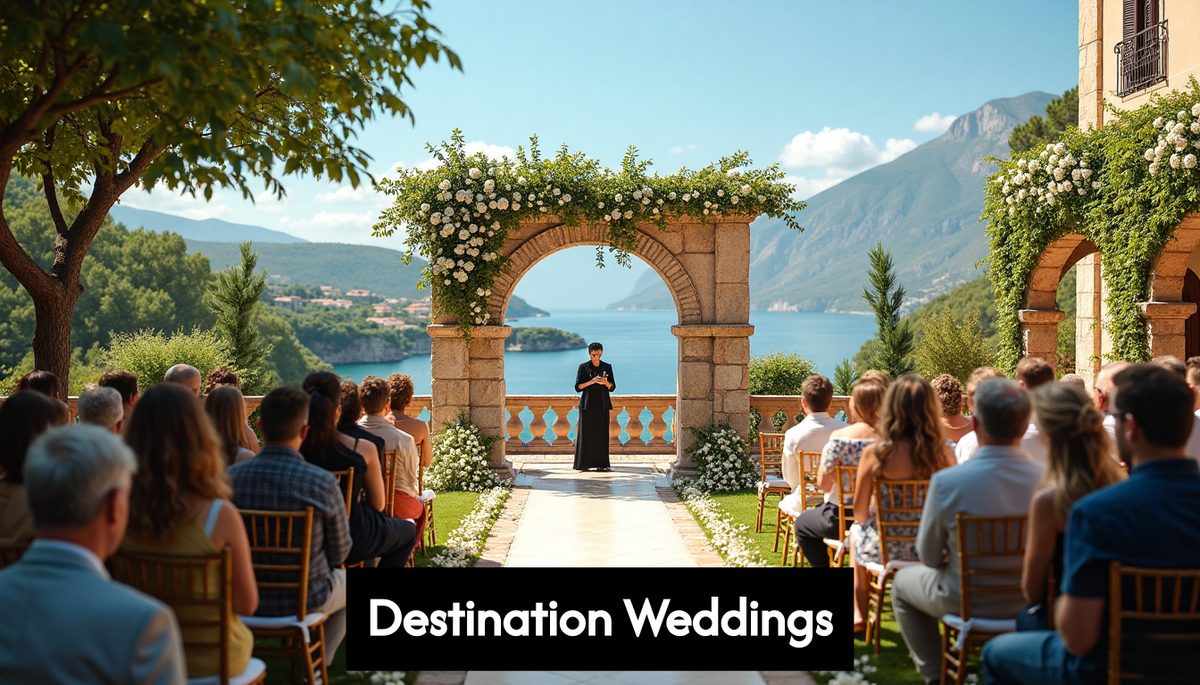
Spain has long been one of Europe’s most sought-after wedding destinations, and for good reason. With over 300 days of sunshine per year, breathtaking landscapes ranging from rugged coastlines to rolling vineyards, and a culture that celebrates love with unmatched passion, a destination wedding in Spain promises an experience that you and your guests will treasure forever.
As a live wedding painter who has captured countless celebrations across the country, I have had the privilege of witnessing firsthand what makes each region of Spain so uniquely magical for weddings. In this comprehensive guide, I will walk you through everything you need to know to plan the perfect destination wedding in Spain.
Why Choose Spain for Your Destination Wedding?
Year-Round Sunshine and Mild Climate
Spain enjoys one of the most favorable climates in Europe. The southern coast, particularly the Costa del Sol and the Balearic Islands, offers warm temperatures from April through November. Even in the shoulder months of March and early December, daytime temperatures often remain comfortable enough for outdoor celebrations.
This reliable weather is more than a convenience; it is a painter’s dream. The Mediterranean light in Spain has a golden, warm quality that has inspired artists for centuries. When I set up my easel at a Spanish wedding, the natural light does half the work, casting everything in a luminous glow that translates beautifully onto canvas.
World-Class Venues at Every Price Point
Whether you envision an intimate ceremony in a centuries-old chapel or a lavish celebration at a luxury beachfront resort, Spain has a venue to match. From converted farmhouses (fincas) in the countryside to grand urban palaces, the diversity of wedding venues in Spain is unmatched.
A destination wedding in Spain does not have to break the bank either. Compared to other popular European destinations like the South of France or the Italian Riviera, Spain often offers comparable beauty and quality at a more accessible price point.
Rich Culture and Cuisine
Spanish culture is inherently celebratory. Your guests will be swept up in the warmth of local traditions, from late-night dining under the stars to spontaneous dancing that carries on until dawn. The food alone is worth the trip: imagine your wedding menu featuring freshly prepared paella, Iberian ham carved tableside, and local wines from regions like Rioja, Ribera del Duero, or Priorat.
The Best Regions in Spain for Destination Weddings
Marbella and the Costa del Sol
Marbella is the jewel of the Costa del Sol and one of the most popular wedding destinations in southern Spain. This glamorous coastal city offers a blend of luxury, natural beauty, and Andalusian charm that few places can rival.
The area is home to some of Spain’s most exclusive wedding venues, including the legendary Marbella Club, the stately Puente Romano resort, and the ultra-private villas nestled in the hills of La Zagaleta. The golden light that bathes the coast each evening creates a spectacular backdrop for ceremonies, and it is one of the most rewarding settings I have ever painted.
Best for: Luxury celebrations, beach weddings, couples who want a cosmopolitan atmosphere with easy international access via Malaga airport.
Peak season: June through September, though May and October offer beautiful weather with fewer crowds and lower prices.
Barcelona and the Catalan Coast
Barcelona brings together architectural grandeur, urban energy, and Mediterranean coastline in a way that no other city can. The influence of Antoni Gaudi is everywhere, from the soaring spires of the Sagrada Familia to the organic curves of Park Guell, creating a visual feast that inspires awe in every guest who visits.
Beyond the city itself, the surrounding Catalan countryside is dotted with charming masias (traditional stone farmhouses) that have been lovingly converted into wedding venues. Places like Can Sabi and Torre de la Vela offer rustic elegance surrounded by vineyards and olive groves.
Best for: Couples who want culture, gastronomy, and nightlife alongside their celebration. Ideal for guests who want to extend their trip with sightseeing.
Peak season: May through October. September is particularly lovely, with warm days and a golden quality to the light.
Ibiza
Ibiza is far more than its reputation for nightlife suggests. The island has a deeply spiritual and bohemian side that makes it one of the most magical settings for a wedding in the Mediterranean. The sunsets here are legendary, the beaches are pristine, and the energy of the island is unlike anywhere else on earth.
Wedding venues in Ibiza range from the historic fortress of Dalt Vila, a UNESCO World Heritage site, to boho-chic agroturismo estates like Atzaro and the cliffside drama of Hacienda Na Xamena. The island’s compact size means your guests can easily explore between events, and the combination of sea, sky, and whitewashed architecture provides an extraordinary visual palette.
Best for: Bohemian and free-spirited couples, sunset ceremonies, intimate to mid-sized celebrations.
Peak season: Late May through September. June and September offer the best balance of warm weather and manageable costs.
Madrid
The Spanish capital may not be the first destination that comes to mind for a wedding, but Madrid offers a level of sophistication and cultural richness that is hard to match. Historic palaces, sweeping parks like El Retiro, and world-class dining make it an exceptional choice for couples who want an urban celebration with Spanish grandeur.
Venues like the Real Jardin Botanico, the Palacio de Aldovea, and the numerous restored historic estates on the outskirts of the city provide stunning settings. Madrid’s central location also makes it the most accessible city in Spain for international guests.
Best for: Elegant, sophisticated celebrations. Couples who want easy access for guests flying from around the world.
Peak season: April through June and September through October. July and August can be extremely hot.
Seville
If you want your wedding steeped in Andalusian romance, Seville is the ultimate choice. The city of flamenco, orange blossoms, and the magnificent Alcazar is one of the most atmospheric places on earth. Every corner of Seville tells a story, and that narrative richness translates powerfully into a wedding celebration.
Venues like the Casa de Pilatos, the Hotel Alfonso XIII, and the many private cortijo estates surrounding the city offer settings that blend history, architecture, and natural beauty. The warmth of Sevillian hospitality ensures that your guests will feel genuinely welcomed.
Best for: Romantic, culturally rich celebrations. Couples drawn to history, architecture, and Andalusian tradition.
Peak season: March through May (coinciding with the orange blossom season) and October through November. Avoid July and August when temperatures regularly exceed 40 degrees Celsius.
Malaga
Often overlooked in favor of its glamorous neighbor Marbella, Malaga deserves serious consideration as a wedding destination. The city has undergone a remarkable cultural renaissance in recent years, with a thriving arts scene anchored by the Picasso Museum and the Centre Pompidou Malaga.
The historic center, with its narrow streets and the imposing Alcazaba fortress, provides a charming urban backdrop, while the surrounding countryside offers fincas and rural estates. Malaga also benefits from having one of southern Spain’s busiest international airports, making it incredibly convenient for guests.
Best for: Art-loving couples, those seeking a balance of culture and coast, budget-conscious destination weddings without sacrificing quality.
Peak season: May through October, with April and November as excellent shoulder months.
Planning Your Destination Wedding in Spain: Practical Tips
Legal Requirements
Getting legally married in Spain as a non-resident can involve significant paperwork, including obtaining a certificate of no impediment from your home country, having documents translated and apostilled, and navigating the Spanish civil registry system. Many couples opt to have a small legal ceremony at home and then host a symbolic ceremony in Spain, which simplifies the process considerably.
Choosing the Right Season
While summer is the most popular time for weddings in Spain, the shoulder seasons of April through May and September through October often provide the best overall experience. The weather remains warm and sunny, venues are more available, prices are lower, and the light has a softer, more painterly quality that is absolutely stunning.
Working with Local Vendors
Spanish wedding vendors are among the most talented and creative in Europe. However, if you do not speak Spanish, communication can sometimes be a challenge, particularly with smaller vendors outside major cities. Consider hiring a bilingual wedding planner who can bridge the gap and ensure that nothing is lost in translation.
Guest Experience
One of the greatest advantages of a destination wedding in Spain is that your guests get a holiday as well as a celebration. Consider extending the festivities over two or three days with welcome dinners, morning-after brunches, and group excursions. This gives everyone time to settle in, explore, and truly connect.
Capturing the Day
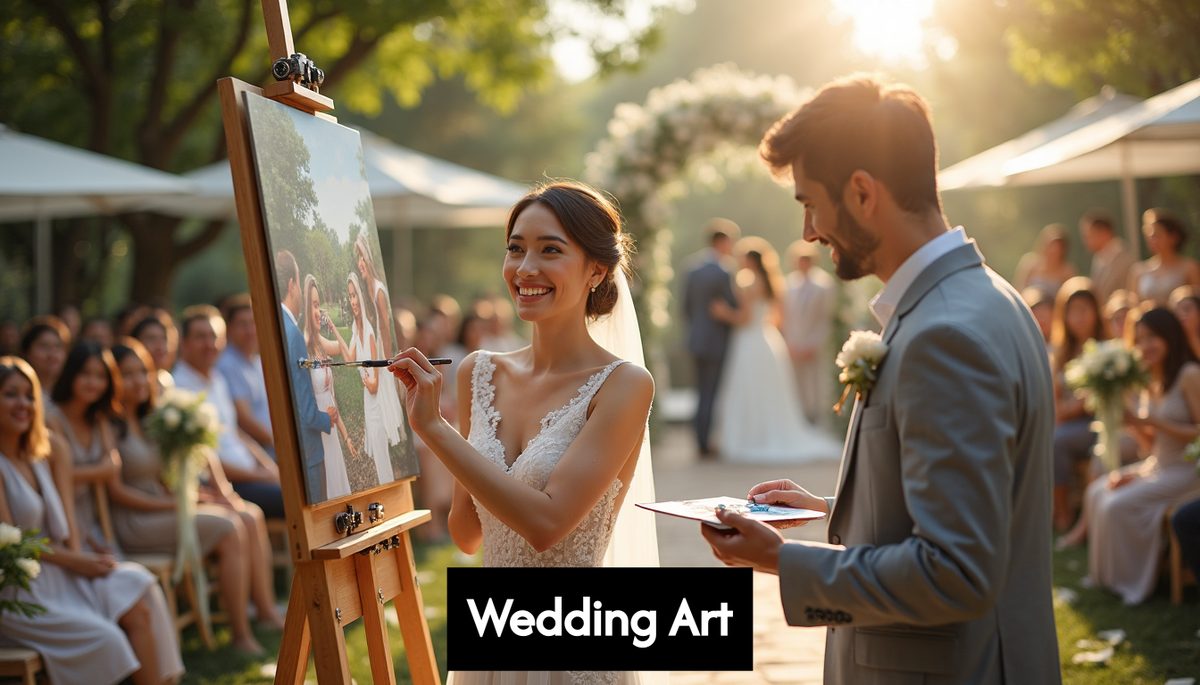
A destination wedding in Spain is an inherently visual event. Live art at destination weddings is a growing trend for good reason. Beyond the standard photography and videography, consider adding a live wedding painter to your celebration. A painting captures the atmosphere, emotion, and beauty of your day in a way that is entirely unique, transforming a fleeting moment into a lasting work of art.
At Wedding Vivid Art, Marta specializes in capturing the magic of destination weddings across Spain. Having painted at venues from Marbella to Barcelona, she brings an intimate knowledge of Spanish light, landscapes, and architecture to every commission. The result is not just a painting but a window back into one of the most important days of your life.
Budget Considerations for a Destination Wedding in Spain
Wedding costs in Spain vary significantly by region and season. As a general guide:
- Venue hire: From 3,000 euros for a simple finca to 30,000 euros or more for a luxury estate
- Catering: Typically 80 to 200 euros per person, depending on the style of service
- Photography and videography: 2,000 to 6,000 euros
- Live wedding painter: 1,500 to 4,000 euros, depending on canvas size and event duration
- Flowers and decoration: 1,500 to 8,000 euros
- Music and entertainment: 1,000 to 5,000 euros
Keep in mind that the overall cost of a destination wedding in Spain can be offset by a smaller guest list, as not everyone will be able to travel. Many couples find that they spend a similar total amount to what they would at home but enjoy a far more memorable and unique celebration.
Final Thoughts
A destination wedding in Spain is an investment in an experience that transcends the ordinary. The combination of stunning landscapes, world-class cuisine, warm hospitality, and that incomparable Mediterranean light creates a celebration that is as much a sensory journey as it is a commitment of love.
Whether you choose the glamour of Marbella, the cultural richness of Barcelona, the bohemian magic of Ibiza, or the romantic soul of Seville, Spain will reward you with a wedding day that exceeds your highest expectations. And when it is all over, you will have the memories, the photographs, and perhaps a beautiful painting to remind you of every golden moment. To learn how a painter selects the perfect scene to immortalize, explore our guide to capturing wedding moments through art.
Ready to add a live painting to your Spanish destination wedding? Contact Marta at Wedding Vivid Art to discuss how she can capture your celebration on canvas.