What Your Wedding Painter Brings: Professional Materials That Ensure Lasting Quality
Essential Painting Materials for Weddings in Spain
Behind every stunning live wedding painting is a carefully curated set of professional-grade materials. The quality of the canvas, paints, brushes, and finishing products directly affects not only how the painting looks on your wedding day but how it will look in twenty, fifty, or even a hundred years. A wedding painting is meant to be a lasting heirloom, and that longevity begins with the materials.
As a professional live wedding painter working across Spain, Marta at Wedding Vivid Art invests in the finest materials available to ensure every painting she creates will endure as long as the memories it preserves. In this guide, we will walk through the essential materials used in professional wedding painting and explain why each one matters.
The Canvas: Your Painting’s Foundation
Types of Canvas
The canvas is the foundation of every painting, and choosing the right one is critical. Professional wedding painters typically work on one of two types:
Stretched Cotton Canvas is the most widely used option. Cotton canvas offers a smooth, consistent surface that accepts paint beautifully. It is lightweight, which is important for a painter who needs to transport materials to venues across Spain, and it produces excellent results with both acrylic and oil paints.
Linen Canvas is considered the premium choice. Linen fibers are stronger and more durable than cotton, and the natural texture of linen creates a subtle surface quality that many artists and collectors prefer. Linen is more expensive, but for a painting that will be displayed and treasured for generations, the investment is worthwhile.
Canvas Preparation
A properly prepared canvas is essential for paint adhesion and longevity. Professional canvases come pre-primed with gesso, a white preparatory coating that creates a smooth, absorbent surface for the paint. Some painters apply additional layers of gesso or tint the surface with a warm underpainting to create a cohesive base tone.
Marta prepares her canvases in the studio before each wedding, applying an additional layer of high-quality gesso and sometimes a light tonal ground that complements the expected color palette of the wedding. This preparation ensures that the paint adheres properly and that the finished painting will resist cracking and yellowing over time.
Canvas Size
The size of the canvas depends on several factors: the complexity of the scene, the distance from which the painting will typically be viewed, and where the couple plans to display it in their home. Common sizes for wedding paintings include:
- 50 x 70 cm: Ideal for intimate scenes and smaller homes
- 60 x 80 cm: A versatile medium size suitable for most wedding scenes
- 80 x 100 cm: A larger format that allows for more detail and a more dramatic presence
- 100 x 120 cm or larger: Grand-scale paintings for spacious homes or particularly complex compositions
During the consultation process, Marta discusses canvas size options with each couple, often recommending a size based on the intended display location and the nature of the scene to be painted. For a full walkthrough of the consultation and painting day itself, see our guide on what to expect when you hire a live wedding painter.
Paints: The Heart of the Artwork
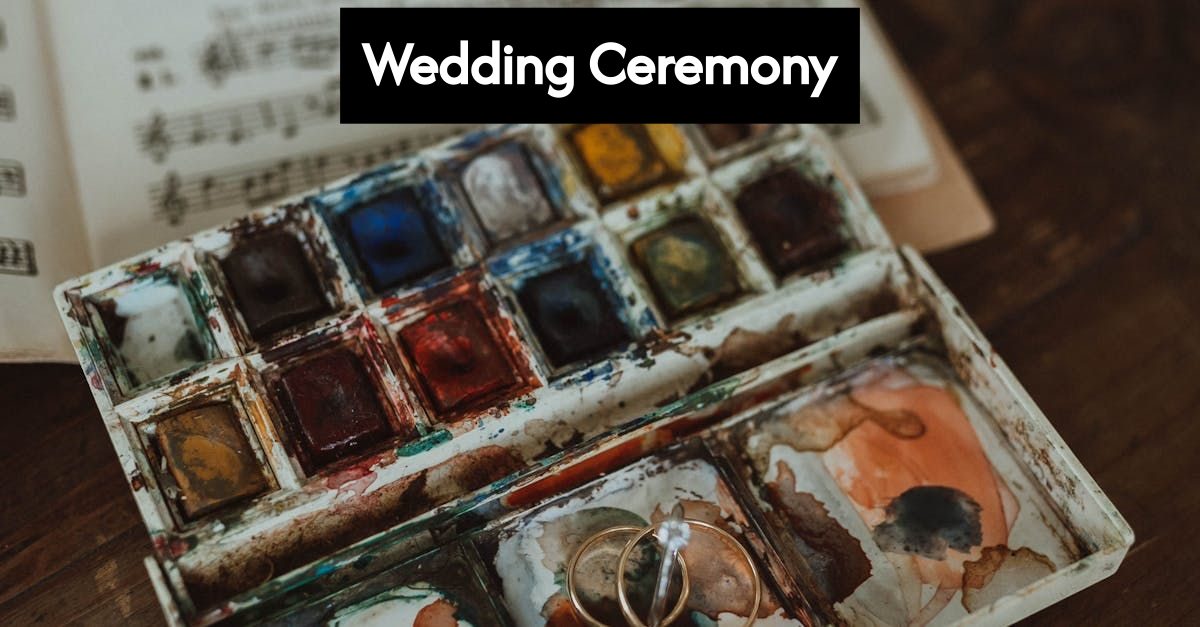
Professional-Grade Acrylic Paints
The quality of paint used in a wedding painting matters enormously. Professional-grade acrylic paints contain a higher concentration of pigment than student-grade alternatives, which translates to richer, more vibrant colors, better coverage, and superior lightfastness — the ability to resist fading when exposed to light.
Leading professional acrylic brands like Golden, Liquitex Professional, and Winsor and Newton Professional are formulated to meet archival standards, meaning paintings created with these paints are expected to maintain their color integrity for well over a century with proper care. For creative inspiration on how these paints are used in practice, explore our guide to acrylic wedding art ideas.
Color Palette for Spanish Weddings
The Spanish landscape and light dictate a particular palette that Marta has refined over years of painting at weddings across the country. Key colors include:
- Warm earth tones: Raw sienna, burnt umber, and yellow ochre for terracotta, stone walls, and warm natural surfaces
- Mediterranean blues: Cerulean, ultramarine, and cobalt for Spanish skies and coastal scenes
- Greens: Olive green, sap green, and viridian for the lush vegetation of garden venues
- Skin tones: A carefully mixed selection of warm and cool tones for rendering figures naturally
- White: Titanium white is essential for highlights, lightening colors, and creating the luminous quality that defines Spanish light
- Gold and warm accents: Naples yellow, cadmium yellow, and gold for capturing the golden hour light that makes Spanish weddings so magical
Mediums and Additives
Professional painters use mediums to modify the behavior of their paints. Slow-drying mediums extend the working time of acrylics, allowing for smoother blending. Glazing mediums create transparent layers that add depth and luminosity. Flow improvers make the paint more fluid for detailed work.
These additives are invisible in the finished painting but play a crucial role in allowing the artist to achieve the exact effects they need under the time pressure of a live event.
Brushes: The Artist’s Most Personal Tools
Types of Brushes
A professional wedding painter’s brush collection is extensive and carefully chosen. Different brushes serve different purposes:
- Flat brushes in various widths for broad strokes, backgrounds, and architectural elements
- Round brushes for detail work, figures, and facial features
- Filbert brushes with their rounded edges for soft, blended passages and natural forms
- Fan brushes for textures like foliage, hair, and subtle blending
- Palette knives for mixing colors, applying thick paint, and creating bold textural effects
Brush Quality
Like paint, brush quality matters. Professional-grade brushes made from synthetic fibers designed for acrylics maintain their shape, hold paint consistently, and provide the responsiveness an artist needs when working quickly. Cheap brushes shed bristles, lose their shape, and make it difficult to achieve fine detail — an unacceptable risk at a once-in-a-lifetime event.
Marta maintains a dedicated set of brushes for live wedding work, cleaned and conditioned after each event to ensure they remain in perfect working condition.
The Easel: Stability and Presentation
Choosing the Right Easel
The easel must be sturdy enough to hold the canvas securely for several hours of painting, yet portable enough to transport to venues that may require navigating stairs, narrow doorways, or uneven outdoor terrain.
Professional wedding painters typically use a heavy-duty field easel or a studio-style easel that can be disassembled for transport. The easel should be adjustable to accommodate different canvas sizes and heights, and stable enough to withstand the occasional bump from a passing guest or a gust of Mediterranean wind.
Presentation Value
The easel is more than a functional tool — it is part of the visual experience for your guests. A well-chosen wooden easel adds an element of elegance and artistry to the wedding scene. Many guests will photograph the painting in progress on the easel, and these images become part of the wedding’s visual story.
Palette and Mixing Supplies
The Palette
A professional palette provides a clean, non-absorbent surface for mixing colors. Many painters prefer a large wooden or acrylic palette that offers ample space for arranging and blending multiple colors simultaneously. At a wedding, where time is precious, having colors pre-mixed and ready allows the artist to work efficiently without pausing to mix from scratch.
Water Containers and Cleaning Supplies
Acrylics require water for thinning, blending, and cleaning brushes between color changes. A professional setup includes multiple water containers to keep clean water separate from rinse water, as well as absorbent cloths for quickly drying brushes. All of these supplies must be organized and contained to avoid any spills on the venue floor or furnishings.
Finishing Materials: Protecting the Painting
Varnish
The final step in creating a lasting wedding painting is the application of varnish. Professional-grade varnish serves several critical purposes:
- UV protection: Shields the paint from the damaging effects of sunlight
- Surface protection: Creates a barrier against dust, moisture, and minor physical contact
- Color enhancement: Can deepen and enrich the appearance of the colors
- Unified finish: Evens out any variations in surface sheen across the painting
Varnish is available in gloss, satin, and matte finishes. Marta typically applies a satin varnish, which provides a gentle sheen that enhances the colors without producing distracting reflections. The varnishing is done in the studio after the painting has fully cured, typically several weeks after the wedding.
Archival Considerations
Every material used in a professional wedding painting is chosen with archival permanence in mind. From the acid-free canvas and professional-grade gesso to the lightfast pigments and UV-protective varnish, each element is designed to ensure the painting remains vibrant and structurally sound for generations.
This attention to archival quality is what separates a professional wedding painting from a casual artwork. When you commission a painting from Wedding Vivid Art, you are investing in a piece that is built to last — a genuine heirloom that will look as beautiful in your grandchildren’s home as it does in yours.
Transporting Materials to Spanish Venues
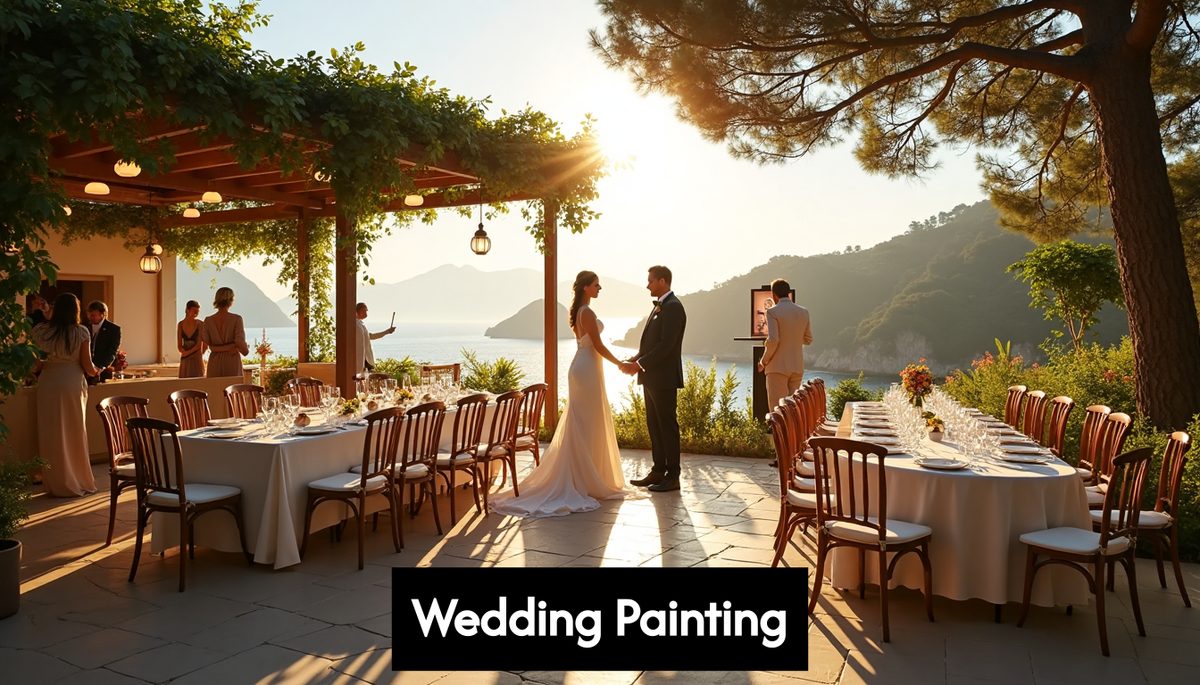
Working at weddings across Spain presents unique logistical challenges. Materials must be transported safely to venues that range from urban hotels to remote rural fincas, and from coastal resorts to mountain estates. Marta uses specially designed carrying cases and protective packaging to ensure every canvas, brush, and tube of paint arrives in perfect condition, no matter how winding the road to the venue may be.
For destination weddings, advance planning is essential. Materials are prepared and packed well in advance, with backup supplies for critical items. The goal is to arrive at every wedding fully equipped and prepared for any situation.
Investing in Quality
The materials used in a wedding painting represent a small fraction of the overall cost of the commission, but their impact on the finished result and its longevity is enormous. When you choose a professional live wedding painter who uses premium materials, you are ensuring that the painting you receive will not only be beautiful today but will remain beautiful for generations to come.
Interested in learning more about how professional materials contribute to a lasting wedding painting? Contact Marta at Wedding Vivid Art to discuss your commission, or browse our packages to discover the quality that goes into every piece.