Wedding Art Etiquette: What Every Couple Should Know
Wedding Art Etiquette: What Every Couple Should Know
Adding a live painter to your wedding is an increasingly popular choice, especially at celebrations across Spain and the Mediterranean. It brings a sense of occasion, creativity, and timeless beauty to the day. But like any element of a wedding, there are practical considerations and etiquette guidelines that help ensure the experience is smooth and enjoyable for everyone — the couple, the guests, and the artist.
Whether you have already booked a live wedding painter or are still considering it (if so, our guide on what to expect when you hire a live wedding painter is a great starting point), this guide covers everything you need to know about wedding art etiquette, from where to place the artist to how to handle guest interaction and beyond.
Where to Place the Artist
The positioning of your live painter is one of the most important logistical decisions you will make. The right spot allows the artist to see the scene clearly, work comfortably, and be visible to guests without being in the way.
For Ceremony Paintings
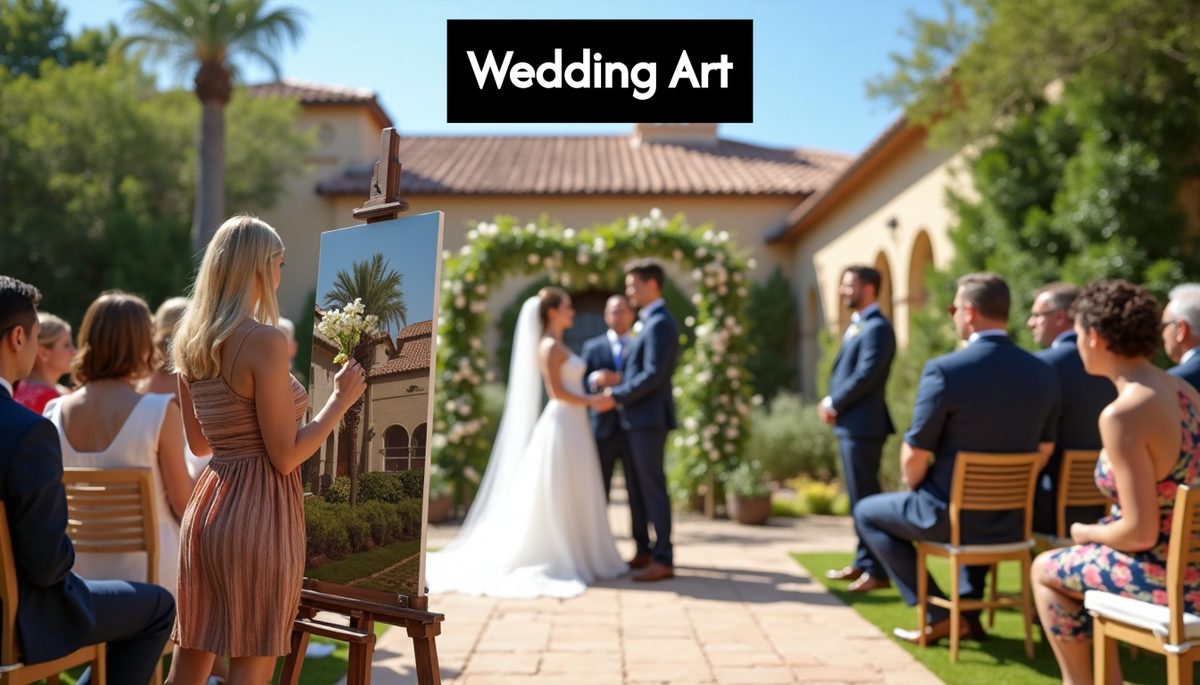
If the artist is painting the ceremony, they should be positioned to the side of the aisle with a clear sightline to the couple, the officiant, and the backdrop. A three-quarter angle typically works best, as it captures both the couple and the surrounding scene.
Avoid placing the painter directly behind the guests, as this limits their view to the backs of heads, or directly behind the officiant, as this can be distracting for the couple.
Coordinate with your photographer and videographer ahead of time so that everyone knows where they will be positioned. A brief discussion between the vendors before the ceremony can prevent any awkward conflicts during the event.
For Reception Paintings
During the reception, the artist has more flexibility. Popular positions include:
- Near the edge of the dance floor for first dance paintings
- At the perimeter of the dining area for panoramic reception scenes
- On a terrace or elevated area for a bird’s-eye view of the celebration
- Near a feature element like a grand staircase, fountain, or floral installation
The artist should have enough space for their easel, a small table for materials, and room to step back from the canvas. An area of approximately two by two meters is sufficient.
Lighting Matters
Good lighting is essential for the artist to see their canvas and work accurately. Natural daylight is ideal, but for evening receptions, ensure that the artist’s area has adequate ambient light. Some painters bring a small clip-on light for their canvas, but it is helpful to discuss lighting conditions with the artist in advance.
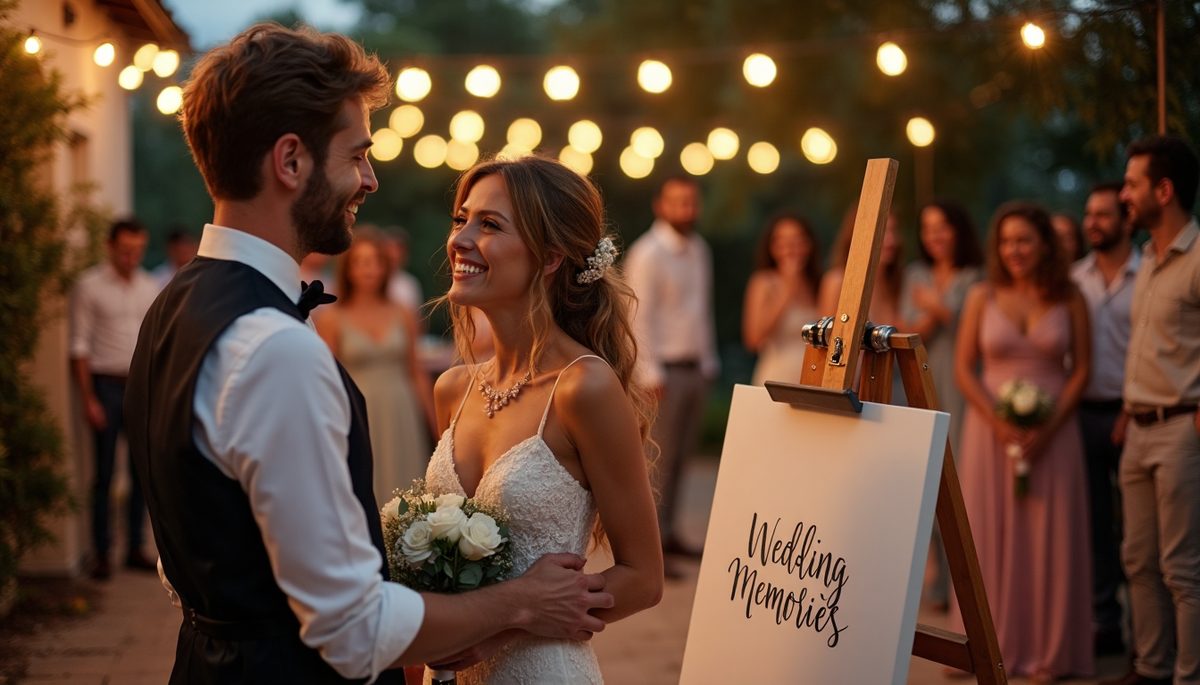
At outdoor evening receptions in Spain, the warm glow of string lights, candles, and lanterns creates a beautiful atmosphere, but it may not provide sufficient light for the painter to work. A small, discreet spotlight or lamp positioned near the easel solves this issue without disrupting the ambiance.
Guest Interaction: The Dos and Don’ts
One of the loveliest aspects of having a live painter at your wedding is the way guests naturally gravitate toward the easel. Watching a painting come to life is fascinating, and it often becomes one of the most talked-about elements of the celebration.
Do: Let It Happen Naturally
You do not need to formally direct guests to the painter or make an announcement. Curiosity does the work. Guests will naturally drift over, watch for a few minutes, and move on. This organic flow is ideal.
Do: Mention It in Your Program
A brief mention in your wedding program or on your wedding website — something like “We are thrilled to have Marta from Wedding Vivid Art painting our celebration live” — lets guests know what to expect and builds anticipation.
Do: Trust the Artist to Manage Interactions
Experienced wedding painters are skilled at balancing warm engagement with focused work. Marta welcomes brief conversations, smiles, and questions from guests while maintaining her concentration. You do not need to worry about guests disrupting the process.
Don’t: Ask Guests to Avoid the Painter
Restricting access to the painter can feel unwelcoming and takes away from the interactive magic of the experience. Unless there is a specific reason (such as the painter requesting quiet during a particularly critical phase), let guests approach freely.
Don’t: Expect the Artist to Entertain
While the painter is approachable and friendly, they are not a performer or entertainer in the traditional sense. Their primary focus is creating a beautiful painting. Brief interactions are wonderful, but extended conversations can affect the quality and completion of the work.
Don’t: Allow Children to Touch the Canvas
This one requires gentle management. Young children are naturally curious and may want to touch the wet paint or the brushes. A gentle redirection by a parent or family member is the kindest approach. Most painters position their easel and materials to minimize the risk, but an extra set of eyes is always welcome.
Timing: When Should the Painter Work?
The timing of the painting session depends on which moment you want captured. Here are the most common scenarios:
Ceremony Painting
The artist arrives 30 to 60 minutes before the ceremony to set up and begin sketching the venue and backdrop. They paint through the ceremony and continue refining the work for 30 to 60 minutes after the conclusion, capturing the details while the scene is still fresh.
First Dance Painting
For a first dance painting, the artist typically sets up during dinner and positions themselves near the dance floor. They may begin with the background and venue details before the dance begins, then capture the couple in motion during the actual first dance, working for two to three hours in total.
Reception Scene
A reception painting usually begins during the cocktail hour or early dinner and continues through the main event. This allows the artist to capture the full atmosphere of the celebration as it builds.
Full Day Coverage
Some couples book the artist for extended coverage, allowing them to paint the ceremony and then create a second painting or continue refining the first during the reception. This is a premium option but results in an incredibly comprehensive artistic record of the day.
Coordinating with Other Vendors
A professional wedding painter knows how to work harmoniously alongside your other vendors. However, a few proactive steps can help ensure everything runs smoothly:
Photographer and Videographer
Discuss the painter’s position with your photographer and videographer in advance. All three are capturing the day visually, and they need to be aware of each other’s sightlines and movements. A quick introduction on the day is usually sufficient. In practice, photographers often love having a painter at the wedding — it gives them a unique and photogenic element to capture.
Wedding Planner
If you have a wedding planner, put them in touch with your painter ahead of time. The planner can share the detailed timeline, venue layout, and any logistical considerations. This coordination ensures the painter knows exactly when and where to be.
Venue Staff
Let the venue know that a live painter will be part of the celebration. The venue staff can ensure that the chosen setup location is clear and accessible, and they can help with practical matters like power outlets for lighting.
DJ or Band
If the painter is capturing the first dance, coordination with the DJ or band is helpful. Knowing when the dance will start and which song will be played allows the painter to be fully ready for the moment.
What to Wear (and Other Artist Considerations)
Professional wedding painters dress appropriately for the occasion. You can expect your painter to be well-groomed and neatly dressed, typically in smart-casual or formal attire that is clean and presentable while still practical for painting.
At Wedding Vivid Art, Marta takes this seriously. She dresses in elegant attire that blends comfortably with the wedding environment, while choosing fabrics and colors that can handle the occasional paint splash discreetly.
Meals and Refreshments
It is customary (and considerate) to provide your painter with a meal, especially if they are working for three or more hours at your event. Most couples include the painter in the vendor meal service. A glass of water at the easel is always appreciated, particularly at outdoor summer weddings in Spain where temperatures can be high.
The Reveal: To Announce or Not
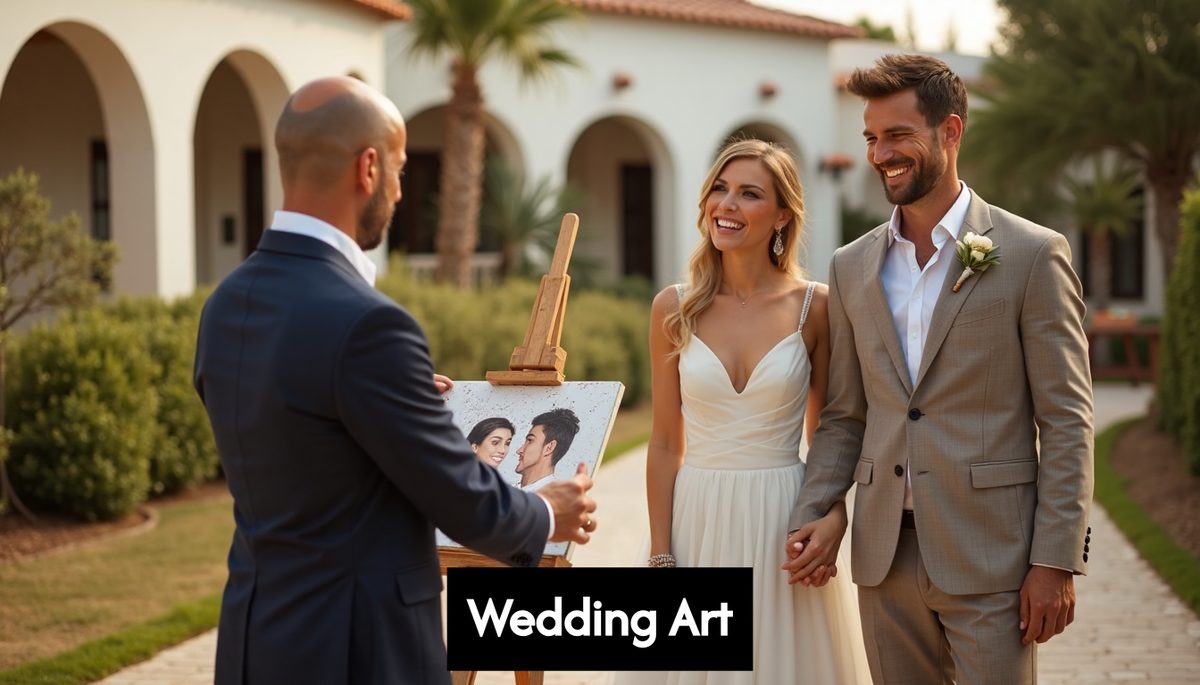
Some couples choose to have a formal reveal of the painting during the reception, where the easel is turned toward the guests and the nearly finished painting is shown for the first time. This can be a beautiful moment, especially if timed toward the end of the evening.
Other couples prefer to visit the easel casually throughout the event and skip a formal reveal. Both approaches work perfectly — it is entirely a matter of personal preference.
If you do plan a reveal, coordinate the timing with your painter and your MC or DJ. A brief introduction — even just thirty seconds — adds a lovely touch of ceremony to the moment.
Post-Wedding Etiquette
Sharing on Social Media
When sharing photos of your painting on social media, it is a kind and professional gesture to tag the artist and credit their work. This simple act supports the artist’s business and helps other couples discover live wedding painting.
Reviews and Referrals
If you are happy with your painting, a review on the artist’s website, Google profile, or wedding directory listing is one of the most valuable things you can do. Personal referrals and word-of-mouth recommendations are the lifeblood of the wedding painting industry.
Communication After the Event
After the wedding, your painter will be in touch regarding the finishing process and delivery timeline. Respond to their messages promptly, especially when they send photos of the completed painting for your approval. This helps keep the process on track and ensures timely delivery.
Final Thoughts
Wedding art etiquette is ultimately about respect, communication, and common sense. Respect the artist’s craft and working conditions. Communicate clearly about your expectations and logistics. And use common sense when it comes to guest behavior and vendor coordination.
When these elements come together, the result is an experience that enchants you, your guests, and the artist alike — and a painting that captures not just what your wedding looked like, but how it felt. To learn more about the many ways a live painter elevates your celebration, explore our article on how art enhances your wedding day.
Planning a wedding in Spain and considering a live painter? Contact Marta at Wedding Vivid Art to learn more about adding this unforgettable element to your celebration.