
Live Wedding Painting in Spain: Complete Guide
Live Wedding Painting in Spain: Complete Guide
In brief: This guide explains exactly how live wedding painting works in Spain, what it costs, how to choose the right artist, and how to avoid common planning mistakes.
— perfect for couples who want a timeless artwork and an unforgettable guest experience, not for wedding industry professionals.
What You’ll Find in This Guide
- What Live Wedding Painting Is (and Why Couples Love It)
- How Live Wedding Painting Works Step by Step
- How Much Live Wedding Painting Costs in Spain
- Choosing the Right Scene: Ceremony, First Dance, or Portrait
- Choosing the Right Canvas Size and Format
- Popular Painting Styles in Spain
- Best Wedding Venues and Settings for Live Painting
- Outdoor, Beach, and Finca Weddings: What Changes
- Destination Weddings in Spain: Logistics for International Couples
- How to Choose a Wedding Painter in Spain
- Timeline: When to Book and What to Decide Each Month
- Common Mistakes and How to Avoid Them
- Key Takeaways
- Frequently Asked Questions
What Live Wedding Painting Is (and Why Couples Love It)
Live wedding painting is the creation of an original artwork during your wedding day, in front of your guests. Unlike a studio portrait made weeks later from photographs, a live painting captures the light, movement, and atmosphere of your celebration in real time. Guests can watch the piece evolve hour by hour, and you end the day with a meaningful visual story already taking shape.
In Spain, live painting has become especially popular among couples planning destination weddings in villas, fincas, beach clubs, and historic venues. The country offers dramatic architecture, rich natural light, and vibrant color palettes that translate beautifully onto canvas.
For many couples, the appeal is twofold:
- It is an experience during the wedding: guests interact with the artist and follow the progress of the painting.
- It becomes a lifelong heirloom: a one-of-one artwork that lives in your home, not just on your phone.
If you are deciding between this and traditional media, compare the strengths in Live Wedding Painting vs Photography and then use this guide to plan the live painting process with confidence.
| What Couples Want | How Live Painting Delivers | Long-Term Value |
|---|---|---|
| A unique wedding memory | Real-time creation at your event | Original artwork you keep forever |
| Meaningful guest entertainment | Guests watch the canvas evolve | Interactive talking point at reception |
| Emotional storytelling | Artist interprets mood, light, and energy | Feels personal every time you see it |
How Live Wedding Painting Works Step by Step
Most couples think the artist simply arrives and starts painting. In reality, the best results come from a carefully planned process that starts months before the wedding.
1) Discovery and consultation
You discuss the date, venue, timeline, style preferences, and your preferred hero moment (ceremony, first dance, or another scene). You can review examples from painting styles to align expectations.
2) Proposal and booking
You receive package options with canvas sizes, hours of live painting, what is included, and delivery timing. A deposit secures your date.
3) Pre-wedding planning
You and your artist confirm details: exact painting location, backup weather plan, key participants, clothing colors, floral palette, and any must-include details.
4) Wedding-day setup
The artist usually arrives early to assess light and perspective, prepare materials, and block in composition.
5) Live painting session
During ceremony, cocktail hour, or reception, guests see the work progress in layers: sketch, color blocks, atmosphere, and focal details.
6) Studio finishing
Most paintings are refined after the wedding in the artist’s studio so facial features, textures, and final balance look polished.
7) Delivery and optional framing
After varnish and drying, your painting is delivered ready to display, or framed based on your selected option.
A great live wedding painting is not improvised chaos; it is a structured collaboration between couple and artist that still leaves room for magic.
How Much Live Wedding Painting Costs in Spain
Pricing depends on complexity, hours, and logistics. For an up-to-date baseline, see How Much Does a Live Wedding Painter Cost in Spain?. In practice, couples in Spain typically invest from entry-level packages to premium bespoke commissions.
| Package Type | Typical Range in Spain | Usually Includes |
|---|---|---|
| Essential | €1,299–€2,999 | Smaller canvas, core live session, studio finishing |
| Signature | €1,800–€3,500 | Medium/large canvas, longer coverage, more detail |
| Bespoke Luxury | €3,500–€6,500+ | Large format, complex scene, premium finishing, travel flexibility |
Major cost drivers:
- Canvas size and level of detail.
- Hours on site (short session vs full-day presence).
- Travel requirements (mainland Spain vs islands vs international).
- Scene complexity (number of figures, architectural detail, night lighting).
- Artist demand and calendar availability.
If budget is a concern, the smartest lever is often choosing a slightly smaller canvas while keeping the most emotionally important scene.
Choosing the Right Scene: Ceremony, First Dance, or Portrait
The scene you choose will shape both emotional tone and technical result.
Ceremony scene
Best for couples who value context: floral arch, architecture, landscape, guests, and vows moment.
First dance scene
Best for couples who want atmosphere: lighting, movement, and romance in a dramatic composition.
Couple portrait focus
Best for couples who want intimate detail and less visual complexity around them.
A useful decision framework:
| If you value… | Best scene choice |
|---|---|
| Venue architecture and sense of place | Ceremony |
| Emotional intimacy and mood lighting | First dance |
| Timeless portrait look | Couple-focused composition |
For deeper comparison, see First Dance Painting vs Ceremony Scene.
Choosing the Right Canvas Size and Format
Canvas size is not just an aesthetic decision; it affects budget, detail level, and where the piece will live in your home.
- 40×50 cm / 50×60 cm: ideal for apartment walls, tighter budgets, and portrait emphasis.
- 60×80 cm / 70×90 cm: balanced option for most couples.
- 80×100 cm or larger: statement artwork for larger walls and expansive scenes.
Orientation also matters:
- Landscape for venue panoramas and ceremony lines.
- Portrait for couple-centered compositions.
- Square for modern, gallery-style presentation.
Before booking, measure your future display wall and request mockups. This prevents the common mistake of selecting a size too small for the emotional weight of the memory.
Popular Painting Styles in Spain
Style defines how your wedding memory feels when you view it years later.
Impressionistic live painting
Loose brushwork, movement, and color harmony. Great for outdoor Mediterranean light.
Romantic realism
More detail in faces and attire while preserving painterly character.
Watercolor-inspired softness
Airy, delicate mood with subtle transitions and lightness. Explore Watercolor Wedding Painting: Style Guide.
Contemporary editorial
Cleaner lines, selective detail, and modern composition influence.
| Style | Best For | Considerations |
|---|---|---|
| Impressionistic | Outdoor weddings, dynamic scenes | Less micro-detail in faces |
| Romantic realism | Classic luxury weddings | Higher time/detail requirements |
| Watercolor-inspired | Elegant, soft palettes | Delicate finish requires careful framing |
| Contemporary editorial | Modern weddings, design-focused couples | More stylized interpretation |
When reviewing portfolios, look for consistency across lighting conditions, not just one perfect image.
Best Wedding Venues and Settings for Live Painting
Spain offers extraordinary backdrops that pair naturally with live art:
- Historic city venues in Barcelona, Madrid, and Seville.
- Mediterranean villas and estates in Marbella and Malaga.
- Island weddings in Ibiza with sunset palettes and sea horizons.
- Countryside fincas with olive groves, courtyards, and warm rustic tones.
The best live painting positions usually balance three things:
- A clear view of the focal scene.
- Stable lighting for several hours.
- Guest visibility without blocking flow.
Venue coordinators appreciate when artists plan setup logistics in advance, including floor protection, easel footprint, and backup location.
Outdoor, Beach, and Finca Weddings: What Changes
Outdoor settings can produce breathtaking paintings, but they need thoughtful planning.
Outdoor garden weddings
- Advantage: natural light and lush color.
- Plan for: changing shadows and wind.
Beach weddings
- Advantage: luminous skies and open composition.
- Plan for: humidity, breeze, salt air, and fast sunset shifts.
- Related: Beach Wedding Painting in Spain.
Finca weddings
- Advantage: texture-rich architecture and intimate courtyards.
- Plan for: mixed indoor/outdoor lighting and movement between spaces.
- Related: Live Wedding Painting at a Finca in Spain.
Weather-proofing checklist:
- Covered backup position.
- Non-slip floor area.
- Weighted easel setup.
- Lighting plan if sunset runs late.
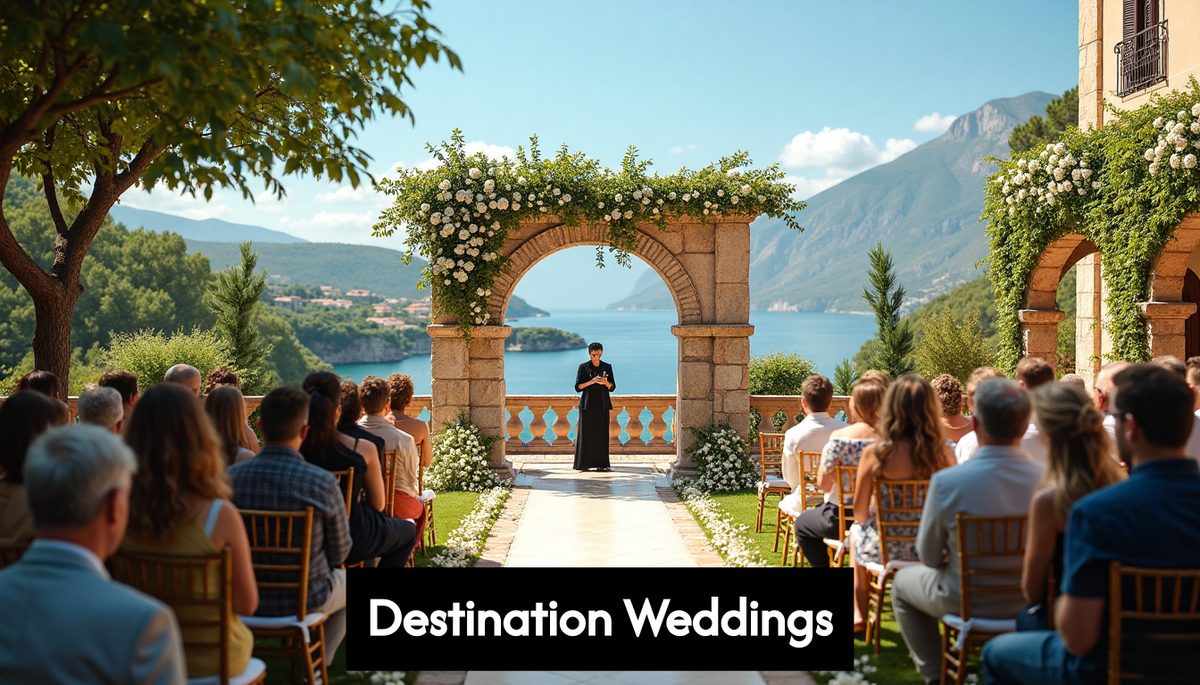
Destination Weddings in Spain: Logistics for International Couples
If you are planning from the UK, US, or elsewhere in Europe, reduce stress by handling art logistics early.
What to confirm before booking
- Travel fees and what’s included.
- Setup access times with venue.
- Language preferences for communication with planner/coordinator.
- Delivery method after the wedding (hand-delivery vs insured shipping).
What to share with your artist
- Final wedding timeline.
- Venue photos and floor plans.
- Design mood board (florals, palette, styling).
- Priority people/details to include.
For broader context, this pairs well with Destination Weddings in Spain and Live Art for Destination Weddings.
How to Choose a Wedding Painter in Spain
Choosing the right artist is less about finding a pretty Instagram post and more about finding a reliable professional who can perform under real wedding conditions.
The 10-question shortlist
- How many live weddings have you painted?
- Can we see full galleries from real events (not only close crops)?
- What package options do you offer and what is included?
- How many live hours are included?
- How much studio finishing is done after the event?
- What is your weather contingency plan?
- What happens in case of travel disruption or emergency?
- What are payment terms and cancellation policy?
- What is your expected delivery timeline?
- Can we request specific details/people in the composition?
Red flags:
- No clear contract.
- Inconsistent style across portfolio.
- Vague communication about delivery timelines.
- No contingency planning for weather or delays.
Green flags:
- Transparent process and pricing.
- Strong client communication.
- Consistent quality across different venues/light conditions.
- Clear setup and logistics planning.
For a deep-dive framework, read How to Choose a Wedding Painter in Spain.
Timeline: When to Book and What to Decide Each Month
A practical schedule makes the entire experience smoother.
| Timing Before Wedding | What to Do |
|---|---|
| 9–12 months | Shortlist artists, compare portfolios, request proposals |
| 8–10 months | Book artist and sign contract |
| 4–6 months | Confirm scene preference, size, style direction |
| 2–3 months | Share timeline, venue maps, planner contacts |
| 2–4 weeks | Final logistics call and weather contingency review |
| Wedding week | Confirm setup access, day-of contacts, and final details |
This timeline is especially important for peak Spanish wedding season (May to September), when top artists can be fully booked.
Common Mistakes and How to Avoid Them
Mistake 1: Waiting too long to book
By the time invitations go out, prime dates are often gone. Book art early alongside photography and venue decisions.
Mistake 2: Choosing only by price
Lowest cost can mean limited live hours, rushed finishing, or weaker reliability. Compare value, not just headline price.
Mistake 3: Skipping composition planning
Without a clear scene priority, you risk a painting that feels visually crowded. Decide the emotional center early.
Mistake 4: Ignoring display reality
A very small canvas may feel underwhelming once framed on a large wall. Match scale to where you will actually hang it.
Mistake 5: No weather backup for outdoor events
Wind and sudden rain are manageable if planned in advance. They are stressful only when ignored.
The couples happiest with their paintings are usually the couples who treated art planning as part of the wedding design, not a last-minute add-on.
Artistic Direction: Turning Your Wedding Vision into a Cohesive Painting
Many couples know they want a beautiful painting, but struggle to describe what “beautiful” means in practical terms. A useful approach is to define artistic direction through three lenses: emotion, visual hierarchy, and home display context.
1) Emotion first
Choose 3 adjectives that describe how you want the painting to feel when you look at it in five years. Common combinations include:
- warm, romantic, timeless
- joyful, luminous, energetic
- elegant, calm, editorial
These emotional anchors help your artist decide brushwork intensity, contrast, and color temperature.
2) Visual hierarchy
Every strong painting has a clear focal point. Decide what should attract the eye in the first 2 seconds:
- your embrace?
- your vows scene?
- your first dance silhouette?
- the architecture surrounding you?
When everything is equally important, nothing stands out. Clarity here creates stronger storytelling.
3) Home display context
Your painting should fit the interior where it will live. A piece for a modern minimal apartment may benefit from cleaner palette restraint and a controlled composition, while a larger Mediterranean-style home might support richer texture and scale.
| Design Variable | Option A | Option B | Planning Impact |
|---|---|---|---|
| Emotional tone | Soft romantic | Bold celebratory | Influences color contrast and brush energy |
| Focal strategy | Couple-centered | Venue-centered | Affects scene framing and detail placement |
| Home context | Minimal interior | Classic interior | Guides palette and framing style |
Color, Light, and Timing: The Hidden Drivers of a Beautiful Result
Couples often think composition is everything. In practice, light quality is equally decisive.
Golden hour vs midday
- Golden hour gives flattering skin tones, soft shadows, and cinematic warmth.
- Midday offers brightness but stronger contrast and less forgiving facial transitions.
If your hero scene is outdoors, coordinate with your photographer and planner to align event flow with favorable light.
Indoor reception lighting
Reception paintings can be stunning, but they require intentional planning:
- confirm whether venue lighting changes by segment (dinner vs dance floor)
- avoid heavily backlit positions where your faces become silhouettes
- provide optional neutral fill lighting if venue allows
Seasonal differences in Spain
- Spring (April–May): fresh color, softer warmth, occasionally variable weather
- Summer (June–September): long days, intense light, high demand for vendors
- Autumn (October): rich tones and pleasant temperatures in many regions
- Winter (November–March): atmospheric interiors and more vendor flexibility
Guest Experience: How Live Painting Enhances the Celebration
Live painting is one of the rare wedding features that works across generations. Grandparents, children, and friends all understand it instantly. That said, guest experience improves dramatically when you design for interaction instead of leaving it to chance.
Placement strategy
Position the easel where guests can naturally pass by without creating crowd bottlenecks. Good placements include:
- edge of cocktail terrace
- transition zone between ceremony and reception
- side of dance floor with sufficient clearance
Micro-moments to plan
- announce the painting early so guests know to check progress
- schedule one moment where couple briefly visits the easel
- if desired, ask MC or planner for a short mention during reception
Boundaries that help the artist
Guest interaction is positive, but overly frequent interruptions can reduce painting time. A subtle boundary plan helps:
- keep easel area open but not in traffic choke points
- avoid placing speakers directly behind artist
- ask planner to support polite space if crowding becomes intense
Family Inclusion and Cultural Details
One of the biggest advantages of live wedding painting is the ability to weave symbolic details into a single scene.
Ideas couples frequently request:
- heirloom jewelry details
- family members who played central roles
- cultural motifs in decor or textiles
- meaningful architecture or landscape elements
- memorial references handled discreetly and respectfully
For multicultural weddings in Spain, discuss how traditions appear visually in sequence, attire, and ritual moments. Even subtle choices (veil movement, flower palette, table styling) can convey heritage beautifully.
Framing, Preservation, and Long-Term Care
After delivery, care and display choices protect both beauty and value.
Framing recommendations
- choose archival, acid-free materials
- use UV-protective glazing when appropriate
- select frame tone that complements both artwork and room finishes
Placement guidelines
Avoid hanging original artwork in:
- direct prolonged sunlight
- high-humidity spots (certain bathrooms, unventilated kitchens)
- walls near heat vents or fireplaces
Cleaning and maintenance
- dust gently with a dry microfiber cloth
- avoid spray cleaners on painted surface
- consult your artist before any restoration attempt
| Care Area | Best Practice | Avoid |
|---|---|---|
| Sun exposure | Indirect light or UV protection | Direct daily sun |
| Humidity | Stable indoor environment | Damp walls / condensation |
| Cleaning | Dry microfiber dusting | Chemical cleaners |
| Transport | Professional packing | Unprotected moving |
Contract Essentials: What to Confirm Before You Sign
A clear contract protects both couple and artist, and reduces misunderstandings.
Minimum clauses to review:
- Date, location, and live painting hours.
- Canvas size/orientation and medium.
- What is delivered (finished painting, varnish, framing options).
- Delivery timeline and shipping terms.
- Payment schedule and accepted methods.
- Cancellation, postponement, and force majeure policy.
- Travel inclusions/exclusions.
- Rights for artist portfolio/social sharing.
If anything feels ambiguous, ask for plain-language clarification before signing.
Sample Budget Scenarios for Different Wedding Styles
Below are practical examples to help couples estimate scope. These are illustrative, not fixed quotes.
| Wedding Type | Typical Painting Scope | Estimated Budget Window |
|---|---|---|
| Intimate city wedding (40–70 guests) | Medium canvas, 4–5 live hours | €1,200–€2,200 |
| Classic villa wedding (80–130 guests) | Medium/large canvas, 5–7 hours | €2,000–€3,800 |
| Premium destination celebration | Large canvas, complex composition, travel | €3,500–€6,500+ |
How to optimize spend without lowering quality:
- simplify scene complexity before reducing professional standards
- reduce canvas size one step if needed
- keep core live hours that protect artistic quality
Comparing Live Painting Packages: What Matters Most
When couples compare proposals, they often focus on price first. A better method is to score each package on six categories:
- Portfolio consistency.
- Communication quality.
- Live hours included.
- Post-event finishing depth.
- Contract clarity.
- Total delivered value.
Create a simple scorecard so decisions feel objective.
| Evaluation Category | Artist A | Artist B | Artist C |
|---|---|---|---|
| Portfolio consistency (1–10) | |||
| Communication clarity (1–10) | |||
| Live coverage value (1–10) | |||
| Finishing quality (1–10) | |||
| Contract transparency (1–10) | |||
| Total fit for your wedding (1–10) |
Planning with Your Photographer and Videographer
Live painting works best when your visual team collaborates instead of competing for space.
Collaboration tips
- share your art plan with photo/video teams at least 2–4 weeks before the wedding
- define a few moments where painter needs stable visual access
- avoid placing artist directly in key camera lanes
A good planner can coordinate everyone so each vendor performs at their best.
Realistic Expectations: What “Finished on the Day” Means
Some couples expect a fully polished museum-level piece by midnight. In reality, most professional workflows include meaningful studio refinement after the event.
On the day, expect:
- strong composition and scene structure
- developed color and atmosphere
- recognizable key figures and focal action
After studio finishing, expect:
- refined faces and hand details
- balanced tonal depth
- final edge work and archival varnish
This is normal and often essential for the highest quality result.
Accessibility and Practical Setup Requirements at Venues
Small logistical details can strongly affect execution.
Confirm these with your venue:
- elevator or stair access for materials
- setup window before guests arrive
- safe storage corner for supplies/cases
- reliable lighting (or permission for portable lights)
- floor protection requirements by venue policy
When these are handled early, wedding day flow feels effortless.
When Live Painting May Not Be the Best Fit
Live wedding painting is powerful, but not universal. It may be less ideal when:
- your wedding schedule leaves no stable 3+ hour segment
- venue restrictions prohibit practical setup
- you prefer only ultra-photorealistic outcomes completed instantly
- budget priorities are fully allocated elsewhere
In those cases, consider a studio commission from wedding photos as an alternative route to custom art.
30-Day Action Plan for Couples Ready to Book
If your date is set and you want to move quickly, follow this simple plan.
Week 1
- define budget range and preferred scene
- shortlist 3–5 artists
- request proposals with identical key details
Week 2
- compare portfolios and contracts
- schedule consultations
- ask your top 10 decision questions
Week 3
- choose artist and secure date with deposit
- align planner, venue, and visual team on setup
Week 4
- finalize style references, composition preferences, and logistics checklist
- confirm communication timeline leading to wedding week
This sequence dramatically reduces last-minute stress.
Internal Linking Map for Your Wedding Planning Journey
To help you keep researching efficiently, use this path:
- Start here (pillar guide).
- Cost clarity: How Much Does a Live Wedding Painter Cost in Spain?
- Decision support: What to Expect from a Live Wedding Painter
- Style planning: Painting Styles Guide
- Commission process: How to Commission Wedding Art
- Gift perspective: Unique Wedding Gift Ideas
Region-by-Region Notes: Matching Style to Spanish Wedding Destinations
Different regions in Spain create different painting opportunities. Understanding these nuances helps couples choose scenes that feel naturally aligned with place.
Andalusia (Marbella, Malaga, Seville)
Andalusia offers warm light, dramatic sunset transitions, and elegant indoor-outdoor architecture. Popular compositions include courtyard ceremonies, terrace receptions, and floral arch scenes framed by white stone and greenery.
What works well:
- warm neutral palettes with terracotta accents
- ceremony scenes with architectural depth
- medium-to-large canvases for venue storytelling
Catalonia (Barcelona region)
Barcelona-area weddings range from historic estates to contemporary venues. Paintings here can lean either classic or editorial-modern depending on your design direction.
What works well:
- balanced composition mixing couple + architecture
- refined color control for modern venue aesthetics
- portrait or landscape orientation depending on facade emphasis
Madrid and central Spain
City weddings and estate weddings in central Spain can produce elegant, formal scenes. Indoor settings with curated lighting often support romantic realism and detail-driven approaches.
What works well:
- richer tonal range for evening receptions
- couple-focused compositions with selective guest inclusion
- strong framing choices for a gallery look at home
Balearic Islands (Ibiza and beyond)
Island weddings are known for luminous skies, movement, and expressive atmosphere. Artists often prioritize color rhythm and broad composition shapes before detail.
What works well:
- sunset or blue-hour first dance scenes
- impressionistic rendering of sea/sky gradients
- protected setup for breeze and humidity conditions
Detailed Pre-Wedding Questionnaire (Use with Your Artist)
A strong questionnaire prevents assumptions and improves execution quality. You can copy this structure for your planning call.
Event overview
- Wedding date and start time
- Venue name + exact area of main scene
- Guest count and schedule highlights
Artistic direction
- Preferred style (impressionistic, romantic realism, etc.)
- Must-include visual elements
- Elements to minimize or avoid
Scene preferences
- Hero scene choice (ceremony/first dance/portrait)
- Alternative scene if timing or weather shifts
- Priority family members to include
Practical logistics
- Access time for setup
- Parking/load-in instructions
- Indoor backup area for rain/wind
- Venue rules about materials or floor protection
Delivery preferences
- Desired turnaround expectations
- Framing requirements
- Shipping/delivery address and timing
This level of detail might feel extensive, but couples consistently report that the final painting is stronger when these answers are clear.
Communication Plan: Who Needs What Information
Confusion rarely comes from art quality; it usually comes from fragmented logistics. Use a simple communication matrix.
| Stakeholder | What They Need to Know | When to Share |
|---|---|---|
| Wedding planner | Setup footprint, timing, backup plan | 4–8 weeks before |
| Venue coordinator | Access, floor protection, placement | 2–4 weeks before |
| Photographer/video team | Artist position and key scene windows | 2–4 weeks before |
| Couple | Final timeline, expectations, delivery date | Ongoing, then final week |
If one person (planner or partner) is designated as final point of contact, wedding day decisions happen faster and with less stress.
Frequently Overlooked Add-Ons and Upgrades
Not every wedding needs add-ons, but some options provide meaningful value:
- Companion mini study: a small secondary painting from another moment.
- Archival print set: high-quality prints for family gifting.
- Framing consultation: ensures the final display complements your home.
- Time-lapse clip: ideal for social sharing and post-wedding storytelling.
Before selecting extras, ask: “Will this improve emotional value five years from now?” If yes, it may be worthwhile.
Post-Wedding Reveal and Delivery Experience
Couples often focus heavily on wedding-day moments and forget that delivery can be equally emotional. A thoughtful reveal plan turns delivery into an additional milestone.
Ideas:
- schedule reveal on your return from honeymoon
- open with close family over dinner
- capture framing/unboxing moment with a short video
This extends the story of your wedding beyond one day and gives the artwork its own memorable chapter.
Measuring Success: How to Evaluate Your Final Painting
Success is personal, but this checklist helps couples evaluate outcome constructively:
- Does the painting feel emotionally true to the day?
- Is there a clear focal point that draws your eye?
- Does the composition balance people and place well?
- Does color mood align with your wedding atmosphere?
- Do included details feel intentional and meaningful?
Perfection is not the goal; resonance is. The best wedding paintings feel alive, not sterile.
Frequently Asked Booking Scenarios
“We are late in planning. Can we still book?”
Sometimes yes—especially in shoulder season or weekdays. Flexibility on canvas size or live hours can improve availability.
“We have a split celebration across two locations.”
Many artists can adapt if timeline is feasible. Confirm transit time and scene priority early.
“We want a surprise gift for the couple.”
This is common. Family or friends can coordinate discreetly with the artist, especially when planner support is available.
“We are planning a bilingual wedding with international guests.”
Live painting works beautifully in multilingual settings because the visual experience is universal.
Final Planning Checklist (Print-Friendly)
- Date confirmed and artist availability checked.
- Package selected and contract signed.
- Deposit paid and payment schedule recorded.
- Hero scene selected with backup scene.
- Canvas size/orientation confirmed.
- Style references shared and approved.
- Venue setup location and backup location confirmed.
- Planner/photo/video teams aligned on logistics.
- Family/detail inclusion list shared.
- Delivery and framing preferences confirmed.
If every box is checked, you are set up for a smooth experience and a painting you will treasure for decades.
Key Takeaways
- Live wedding painting in Spain combines meaningful entertainment with a one-of-one heirloom.
- The best results come from early planning: scene choice, canvas size, style, and logistics.
- Most couples invest from around €1,299 to premium bespoke ranges depending on complexity and travel.
- Venue type matters: beach, finca, and city weddings each require different technical planning.
- The right artist is defined by consistency, communication, and reliability under real event conditions.
- Ready to book? Packages start at €1,299.
Frequently Asked Questions
Q: Is live wedding painting worth it compared with extra decor upgrades?
A: For many couples, yes. Decor is experienced mainly on the day, while a painting stays in your home for decades. It also doubles as guest entertainment during the event, which most decor elements do not.
Q: How long does a live wedding painting take on the day?
A: Typical live coverage ranges from 3 to 7 hours depending on package and scene complexity. Most artists also complete final refinements in studio after the wedding.
Q: Can we request specific people or details in the composition?
A: Yes, and you should. Share a priority list (for example parents, children, floral arch, venue facade) during planning so composition choices align with what matters most to you.
Q: What if our wedding is outdoors and weather changes suddenly?
A: Professional artists plan contingencies such as covered alternatives, weighted easels, and adjusted setup positions. Confirm this plan in your final pre-wedding logistics call.
Q: Do destination couples outside Spain book live painting easily?
A: Absolutely. Most destination bookings work smoothly with video consultation, planner coordination, and a clear logistics checklist for setup and delivery.
Q: Is this only for luxury weddings?
A: Not necessarily. Packages vary by size and complexity, and many couples start with essential options. What matters most is selecting a scope that fits your priorities and budget.
Ready to bring this to life at your wedding? Contact Marta for a free consultation — serving Marbella, Barcelona, Ibiza, Madrid, Seville, and Malaga.